COMPUTER NETWORK
WHAT IS COMPUTER NETWORK??
A collection of computer and devices connected together via communication devices and transmission media.
COMMUNICATION DEVICE
A communication device is any type of hardware capable of transmitting data, instructions and information between a sending device and a receiving device.
Types of communication devices
1. Dial-up modem - A communication device that can convert digital signals to analog signals and analog signals to digital signals, so that data can travel along an analog telephone line.

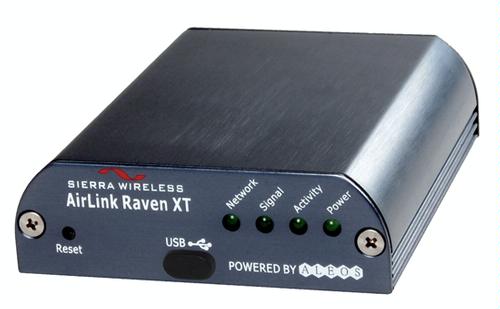

wireless modem


ADVANTAGES OF NETWORK
1) Easy Communication and Speed - People can communicate efficiently by using a network such as emails, instant messaging, telephony, video conference, chat rooms, etc
2) Ability to Share Data, Files and Information - It can benefit large organizations to maintain their data in an organized manner and facilitate access for desired people.
3) Sharing Hardware - By sharing hardware it can reduce the cost of purchasing hardware because there's no need to have individual hardware such as printer for each and every computer in the company.
4) Security - Password protected and can be accessed by the authorized users.
5) Speed - Sharing and transferring files within networks is very rapid, depending on the type of network.
- This will save time while maintaining the integrity of files.
DISADVANTAGES OF NETWORK
1) Breakdowns and Possible Loss of Resources - may lead to loss of important data of the server
2) Expensive to Build - Building a network for large scale organizations are very pricey especially to buy and replace cables and other hardware.
3) Security Threats - There are hackers who are trying to steal valuable data of large companies for their own benefit.
4) Bandwidth Issues - Heavy users who consume a lot more bandwidth will affect other users
A collection of computer and devices connected together via communication devices and transmission media.
COMMUNICATION DEVICE
A communication device is any type of hardware capable of transmitting data, instructions and information between a sending device and a receiving device.
Types of communication devices
1. Dial-up modem - A communication device that can convert digital signals to analog signals and analog signals to digital signals, so that data can travel along an analog telephone line.
dial-up modem
2.Digital modem - A communication device that sends and receives data and information to and from a digital line.
digital modem
3.Wireless modem - Some mobile users have a wireless modem that uses the cell phone network to connect to the internet wirelessly from a notebook computer, a smart phone, or other mobile device.
wireless modem
4. Network card - Sometimes called a network interface card, is a communications device that enables a computer or device that does not have built-in networking capability to access a network.
network card
5. Wireless access point - A central communications device that allows computers and devices to transfer data wirelessly among themselves or to transfer data wirelessly to a wired network.
*Wireless access points have high-quality antennas for optimal signals.

wireless access point
6. Router - A communication device that connects multiple computers or other routers together and transmits data to its correct destination on a network.
router
7. Switch - A connection device similar to a hub but more sophiscated, including functionality that allows it to control and manage data transmissions.
switch
8. Hub - A connection device that allows multiple connections to the network.
hub
TRANSMISSION MEDIA
Materials or substances capable of carrying one or more signals in a communications channel. There are two types ; physical transmission media and wireless transmission media.
Physical tansmission media :
1) Twisted Pair Cable - consists of one or more twisted-pair wires bundled together.
- widely used transmission media for network cabling and telephone systems.
2) Coaxial Cable - Consists of a single copper wire surrounded by at least three layers ;
a. An insulating material
b. A woven or braided metal.
c. A plastic outer coating.
3) Fiber Optic - A transmission media that uses glass or plastic fiber to carry light(laser) signals.
Wireless transmission media :
1) Infrared - Sends signals using infrared light waves.
2) Broadcast Radio - Distributes radio signals through the air over long distances such as between cities, regions, and countries and short distances such as within an office or home.
3) Cellular Radion - A form of broadcast radio that is used widely for mobile communications, specifically wireless modems and cell phones.
4) Microwave - Provide a high speed signal transmission.
* Microwave transmission, often called fixed wireless, involves sending signals from one microwave station to another.
5) Communications Satelite - Is a space station that receives microwave signals from an earth-based station, amplifies (strengthens) the signals, and broadcasts the signals back over a wide area to any number of earth-based stations.
ADVANTAGES OF NETWORK
1) Easy Communication and Speed - People can communicate efficiently by using a network such as emails, instant messaging, telephony, video conference, chat rooms, etc
2) Ability to Share Data, Files and Information - It can benefit large organizations to maintain their data in an organized manner and facilitate access for desired people.
3) Sharing Hardware - By sharing hardware it can reduce the cost of purchasing hardware because there's no need to have individual hardware such as printer for each and every computer in the company.
4) Security - Password protected and can be accessed by the authorized users.
5) Speed - Sharing and transferring files within networks is very rapid, depending on the type of network.
- This will save time while maintaining the integrity of files.
DISADVANTAGES OF NETWORK
1) Breakdowns and Possible Loss of Resources - may lead to loss of important data of the server
2) Expensive to Build - Building a network for large scale organizations are very pricey especially to buy and replace cables and other hardware.
3) Security Threats - There are hackers who are trying to steal valuable data of large companies for their own benefit.
4) Bandwidth Issues - Heavy users who consume a lot more bandwidth will affect other users
Comments
Post a Comment